Find work
Fruit Picking and Horticulture Work in New Zealand
What fruit picking and orchard work in NZ pays, where to find it, and what a day of horticulture work is like on a working holiday visa.
Published 25 September 2026
Facts on this page last reviewed 25 September 2026.
Rules, prices and availability can change. Confirm current details with the linked official or provider source before you act.
Fruit picking and horticulture work can be a practical entry point for working holidaymakers. Entry-level jobs may include on-the-job training, but hiring depends on the crop, region, weather, transport and accommodation. Don’t assume a job will be available as soon as you arrive. Work is usually outdoors and physical, and pay may be hourly or based on the amount you pick.
What the work actually involves
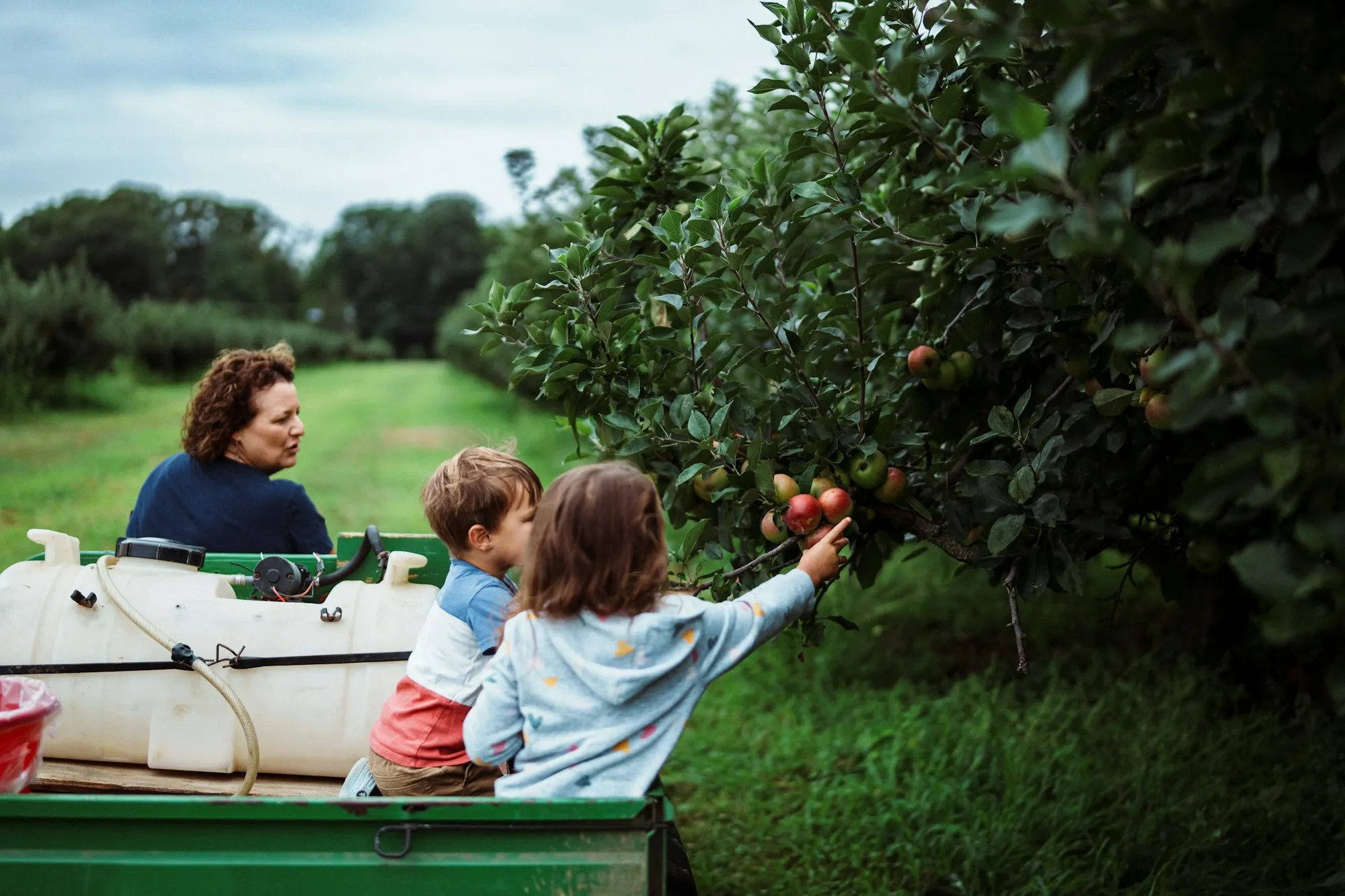
- Picking — moving through rows of trees or vines, picking fruit into a bag or bin. Common crops: cherries, apples, pears, kiwifruit, and grapes.
- Packing — sorting and boxing fruit in a packhouse. Indoor, steadier hours than picking.
- Pruning and thinning — off-season orchard work in winter and spring, less physically intense than harvest.
- Vintage (grape harvest) — picking grapes during Marlborough’s harvest, sometimes in early-morning or overnight shifts to pick fruit while it’s cool.
Some entry-level roles do not require previous experience, and employers may train you on site. Requirements vary by employer and task. Reliability and being able to sustain physical work are commonly important.
Where and when
Horticulture work follows a tight regional calendar. See our seasonal work calendar for the month-by-month map of which region is hiring for which crop. Central Otago (cherries), Hawke’s Bay (apples and pears), Nelson/Tasman (apples, hops), Marlborough (grapes), and Bay of Plenty (kiwifruit) are the five biggest horticulture regions.
Pay: piece-rate vs hourly
Some picking work is paid piece-rate — you’re paid per bin, bucket, or kilo picked, not per hour worked. Faster pickers earn more. Packhouse work is usually paid hourly.
The adult minimum wage is NZD $23.95 an hour from 1 April 2026. Eligible starting-out and training rates are NZD $19.16. The rate that applies depends on your age and circumstances. Piece-rate pay does not remove minimum-wage protections: employees must receive at least their applicable minimum rate for each hour worked. Check your agreement and keep a record of your hours and pay.
Finding horticulture work
- Contact growers directly or through growers’ associations in the region you’re targeting, timed to its season.
- Recruitment and labour-hire agencies that specialise in seasonal horticulture placement — search “[region] seasonal work recruitment.”
- Hostels in growing towns — many run a noticeboard and know which orchards are hiring that week, and some have direct arrangements with local growers.
- Facebook groups — regional seasonal-work groups post picking start dates and contact details as the season approaches.
- Seek and Trade Me Jobs — filter for horticulture or agriculture in your target region.
A note on RSE — a different scheme, not yours to apply for
You’ll sometimes see NZ orchards mention the Recognised Seasonal Employer (RSE) scheme. It is an employer-led seasonal-work visa pathway, normally recruiting workers from eligible Pacific countries, and requires a job offer from an approved RSE employer. A Working Holiday Visa holder does not apply for an RSE visa to do this work; check your own visa conditions before accepting any job.
What to expect on the ground
Horticulture work is outdoors, in all weather, for six to nine hours a day, often starting early to beat the heat. Many growers offer on-site or nearby accommodation — sometimes deducted from your pay, so check exactly what’s included before you agree. Hostels in growing regions often help pickers find a room nearby too. Bring sun protection, sturdy closed shoes, and clothes you don’t mind getting dirty.
Where to go next
- Seasonal work calendar: what’s hiring, where, when
- How to find a job in NZ on a working holiday
- WWOOFing and HelpX in NZ — if you’d rather work for board than wages
- Getting your IRD number — sort this before your first payday
This page is general information, not employment or immigration advice.
This site does not currently use affiliate links. If that changes, affiliate recommendations will be identified. See our affiliate disclosure for the current relationship status.